Almost every signup form asks for one of two things. Either a phone number, or an email address. Comparing SMS verification vs email verification reveals real trade-offs. Cost, speed, and fraud resistance all differ between the two. Most people never stop to consider which one actually serves them better.
How SMS Verification Works
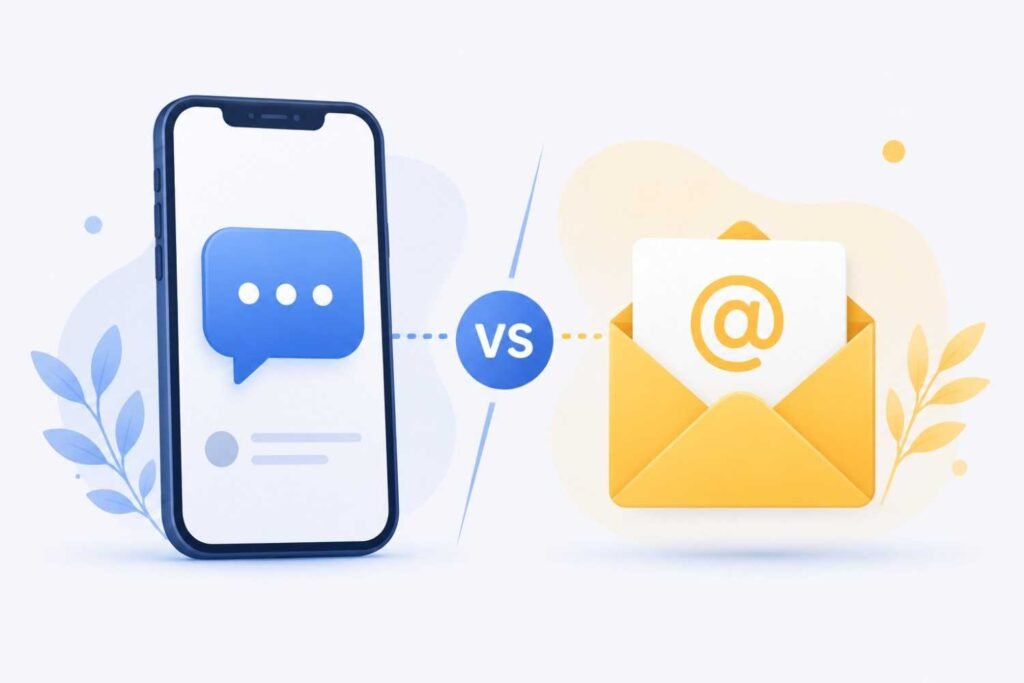
SMS verification sends a code to your phone by text message. A phone number costs more to acquire in bulk than a free email address. Because of this, SMS resists mass fraud noticeably better. Bad actors simply can’t generate thousands of phone numbers as easily as they can generate email addresses.
How Email Verification Works
Email verification sends a code or a clickable link straight to your inbox. It costs businesses essentially nothing to send. It also works well internationally, without the carrier routing issues that sometimes slow SMS delivery down. For platforms serving users across many countries, this reliability matters a great deal.
SMS Verification vs Email Verification: Key Differences
|
Factor |
SMS |
|
|---|---|---|
|
Cost to business |
Per-message fee |
Free |
|
Fraud resistance |
Stronger |
Weaker, easy to bulk-create |
|
International reliability |
Varies by routing |
Generally consistent |
|
Setup for the user |
None, works instantly |
Requires checking inbox |
Why Many Platforms Use Both
Rather than picking just one, many services combine both strengths side by side. Email typically handles account recovery. SMS typically handles time-sensitive checks, like login confirmation. Our post on how businesses use SMS verification explains this layered approach in more depth. Our guide on VoIP vs non-VoIP numbers explains why not every phone number performs equally well within that same system, either.
The Bottom Line
Neither method wins universally across every situation. SMS offers stronger fraud resistance, thanks to how hard phone numbers are to fake in bulk. Email offers lower cost and broader international reach instead. Together, the two methods cover far more ground than either one alone ever could. According to NIST’s digital identity guidelines, combining verification factors generally produces stronger account security than relying on just one method.
FAQs
Is SMS always more secure than email? Generally yes, since phone numbers are harder to mass-produce than email addresses.
Why do some platforms require both? To combine SMS’s fraud resistance with email’s low cost and wider reach.
Which method delivers faster? SMS often does, especially for domestic verification.
Does email verification ever get flagged as unreliable? Rarely for delivery, though fake or disposable email addresses remain a common fraud vector.