Almost every signup form asks for either a phone number or an email address to verify your identity, sometimes both. They serve a similar purpose but work in noticeably different ways, with different strengths and weaknesses. Here’s how they actually compare.
How Each Method Works
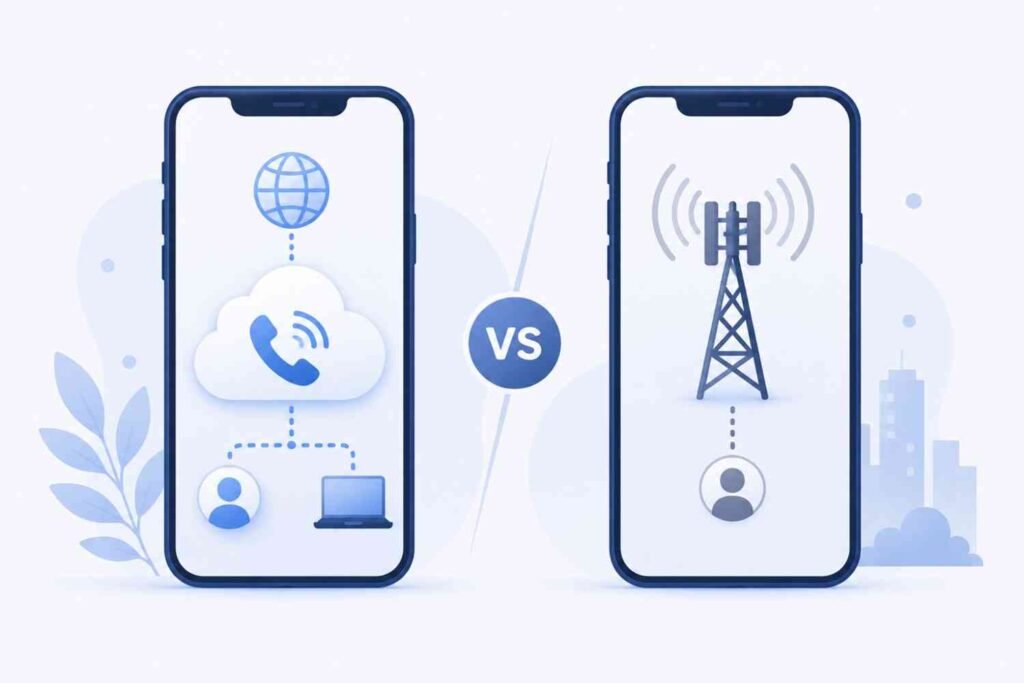
SMS verification sends a one-time code to your phone via text message, which you enter back into the site to confirm the number is real and currently accessible to you.
Email verification typically works one of two ways: either sending a one-time code to your inbox, or sending a clickable confirmation link that verifies the email address once clicked.
Both aim to confirm you control the contact method you provided, but they rely on different infrastructure entirely.
Strengths of SMS Verification
- Requires physical possession of a device. A phone number ties more directly to a specific individual than an email address, which anyone can create in unlimited quantities for free.
- Harder to mass-produce. As covered in our post on how businesses use SMS verification to prevent fraud, phone numbers cost more to acquire in bulk than email addresses, making SMS a stronger fraud-prevention filter.
- Immediate delivery in most cases. Text messages typically arrive within seconds, especially domestically.
Strengths of Email Verification
- No cost to the business per verification. Unlike SMS, which carries a per-message cost, sending a verification email costs essentially nothing.
- Works well internationally without carrier-routing complications. Email doesn’t depend on international carrier agreements the way SMS delivery does.
- Doesn’t require sharing a phone number. Some users prefer keeping their phone number private and are more comfortable providing an email address instead.
Where Each Method Falls Short
SMS verification can suffer from carrier delays, international delivery issues, and number-type restrictions (like VoIP number rejections). Email verification, on the other hand, is easier to fake at scale since free email addresses are simple to generate in bulk, and messages sometimes land in spam folders, causing similar “did it actually send” confusion as a missing text.
Why Many Platforms Use Both
Rather than choosing one method exclusively, many platforms request both an email and a phone number, using each for different purposes. Email often handles account recovery and general communication, while SMS handles time-sensitive verification steps like login confirmation or high-risk action approval. This layered approach captures the strengths of both methods while reducing reliance on either one alone.
The Bottom Line
Neither method wins as universally better. SMS verification generally offers stronger fraud resistance due to the higher cost of acquiring phone numbers in bulk, while email verification offers lower cost and fewer international delivery complications. The platforms that combine both tend to get the most reliable results, using each method where it performs best.
Frequently Asked Questions
Is SMS verification always more secure than email verification?
Generally, SMS offers stronger fraud resistance since phone numbers are harder to mass-produce than email addresses. However, security also depends on how each specific platform implements the method.
Why do some platforms require both email and SMS verification?
Combining both captures the strengths of each method, using email for general account communication and SMS for time-sensitive or high-risk verification steps.
Can I skip SMS verification and only use email?
Some platforms allow this, though many require phone verification specifically for higher-risk actions, since it offers stronger fraud resistance than email alone.
Which method is faster, SMS or email?
SMS often delivers faster, especially domestically, though email delivery has generally improved and works more consistently across international users without carrier-routing complications.