Not all phone numbers behave the same way when it comes to verification and account signups. If you’ve ever had a number rejected by a platform for no obvious reason, the cause often traces back to whether that number counts as VoIP or non-VoIP. Here’s what actually separates the two, and why it matters more than most people realize.
What Makes a Number VoIP or Non-VoIP
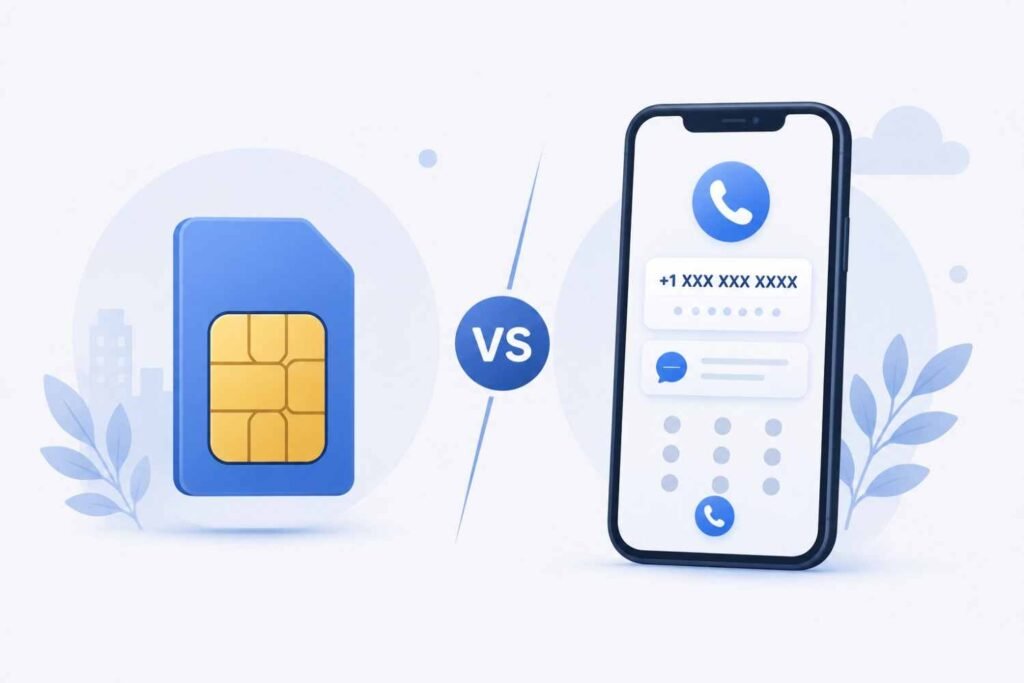
VoIP (Voice over Internet Protocol) numbers route calls and texts over the internet rather than through traditional cellular or landline infrastructure. Services like Google Voice, Skype, and various app-based calling platforms generate VoIP numbers. They’re typically fast and inexpensive to create, sometimes instantly and for free.
Non-VoIP numbers connect through standard mobile carrier networks or traditional landline infrastructure. These numbers usually involve a physical SIM card or a direct relationship with a telecom carrier, which makes them meaningfully harder and more expensive to generate in bulk compared to VoIP numbers.
Why Platforms Treat Them Differently
Because VoIP numbers are so easy to create in large quantities, they’ve become closely associated with mass account creation, spam, and fraud. Many platforms build fraud-detection systems that specifically flag or reject VoIP numbers during signup or verification, precisely because legitimate individual users are statistically less likely to rely exclusively on them compared to bad actors running bulk operations.
Non-VoIP numbers don’t carry this same association as strongly, since the higher cost and effort required to obtain one at scale makes non-VoIP numbers a poor tool for mass abuse. This is part of why platforms with stricter anti-fraud requirements, banking apps, ride-share services, and certain social platforms, more consistently accept non-VoIP numbers for verification.
Practical Differences You’ll Notice
| Factor | VoIP Numbers | Non-VoIP Numbers |
| Setup speed | Often instant | Typically requires carrier provisioning |
| Cost to acquire in bulk | Low | Higher |
| Platform acceptance | Frequently flagged or rejected | Generally more consistently accepted |
| Common use case | Casual calling apps, free services | Verification-focused use, business accounts |
| Infrastructure | Internet-based routing | Standard carrier or landline network |
When VoIP Numbers Still Work Fine
VoIP numbers aren’t inherently problematic for every use case. For casual calling, internal team communication, or services with lenient verification requirements, VoIP numbers work perfectly well and often cost less. The issue specifically arises with platforms that have stricter fraud-prevention rules, where a VoIP number may get flagged or rejected outright.
Why This Matters for Verification-Specific Needs
If your main goal is reliably passing SMS verification across a range of platforms, including ones with stricter requirements, a non-VoIP number generally offers more consistent results. This is the core reason CodeBypass focuses specifically on providing non-VoIP numbers built around standard carrier infrastructure, rather than the app-based VoIP numbers that stricter platforms tend to flag.
The Bottom Line
VoIP and non-VoIP numbers aren’t simply “better” or “worse” in every situation, they suit different needs. VoIP numbers work well for casual, low-stakes use. Non-VoIP numbers hold up better for verification-heavy use cases where platform acceptance matters most. For more on how this plays into broader verification strategy, see our post on how businesses use SMS verification to prevent fraud.
Frequently Asked Questions
Can I tell if a number is VoIP or non-VoIP just by looking at it?
Not reliably. The number format itself usually looks identical. Platforms typically use backend lookup services to determine whether a number routes through VoIP or standard carrier infrastructure.
Do all platforms reject VoIP numbers?
No. Acceptance varies significantly by platform. Some have no restrictions at all, while others specifically block VoIP numbers as part of their fraud-prevention systems.
Is a non-VoIP number more expensive than a VoIP number?
Generally, yes, since non-VoIP numbers require more infrastructure and carrier relationships to provision, making them costlier to produce at scale compared to app-based VoIP numbers.
Why do banking apps often require non-VoIP numbers specifically?
Financial platforms typically carry stricter fraud-prevention standards, since the stakes of a compromised or fraudulent account run higher. Non-VoIP numbers are harder to obtain in bulk, making them a more reliable verification signal for these platforms.