Choosing between temporary vs long-term numbers depends on one simple question. Will you need this number again? Temporary numbers handle one-off tasks efficiently, then disappear for good. Long-term numbers, meanwhile, stay with you for ongoing access. Picking the wrong one can cost you money, or worse, lock you out later.
What Makes a Number Temporary
A temporary number exists for a short window. Often it handles just one verification. Once used, it typically gets recycled and handed to someone else. Therefore, it’s ideal for a single signup you’ll never revisit. Paying for anything longer would waste money on capacity you simply won’t use. Think of it like renting a tool for one job instead of buying it outright.
What Makes a Number Long-Term
A long-term number stays active for weeks or months instead. It doesn’t disappear after one use. As a result, it works well for accounts requiring repeated verification. Password resets are a good example. So is ongoing business communication. Losing access unexpectedly in these cases would actually cause a real problem, not just a minor inconvenience.
Temporary vs Long-Term Numbers: Side by Side
|
Factor |
Temporary |
Long-Term |
|---|---|---|
|
Lifespan |
Short, single-use |
Extended, ongoing |
|
Cost |
Lower per use |
Reflects ongoing access |
|
Risk of losing access |
Higher, if needed again |
Lower, stays available |
|
Best for |
One-time signups |
Recurring verification |
Making the Right Choice
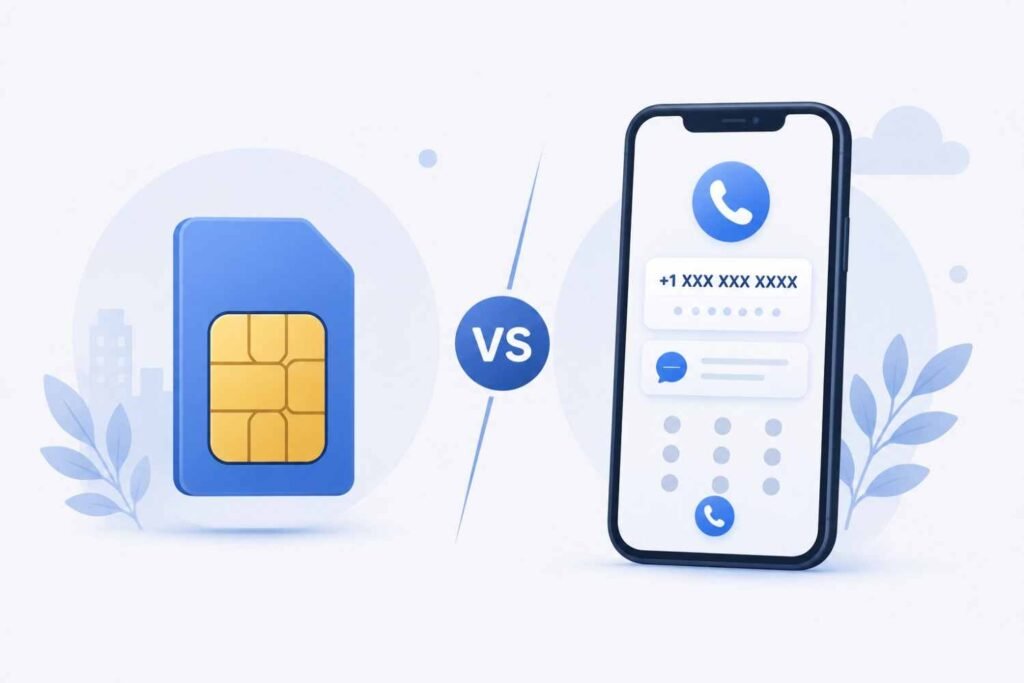
If you’ll only verify once, a temporary number saves money. There’s no downside to choosing the cheaper option here. However, if there’s any reasonable chance you’ll need the number again, lean toward long-term instead. That choice avoids losing access at the worst possible moment, like during an account recovery. Our guide on virtual numbers vs SIM cards covers a related infrastructure decision worth understanding. Our post on VoIP vs non-VoIP numbers explains why number type matters too, regardless of how long you plan to keep it.
The Bottom Line
Both options solve genuinely different problems. Neither one wins universally, since the right choice depends entirely on your situation. Match your choice to how long you’ll actually need the number. Doing so helps you avoid two mistakes at once: overpaying upfront, and getting stuck without access later. The FTC’s guidance on account security notes that maintaining consistent access to verification methods matters most for accounts holding sensitive information.
FAQs
Can a temporary number become long-term later? Sometimes, depending on the specific provider’s upgrade options.
What happens when a temporary number expires? It typically gets recycled and reassigned to a different user.
Is long-term always the safer default? For anything requiring future access, yes, it’s usually worth the extra cost.
Do long-term numbers cost significantly more? Somewhat, but the added reliability often outweighs the price difference for ongoing accounts.