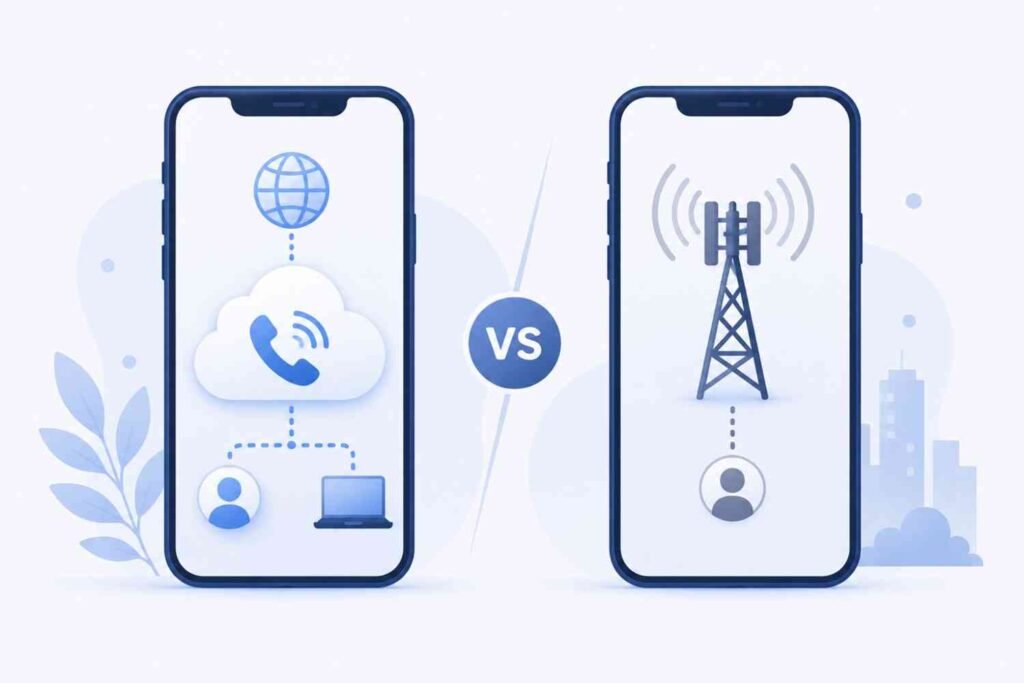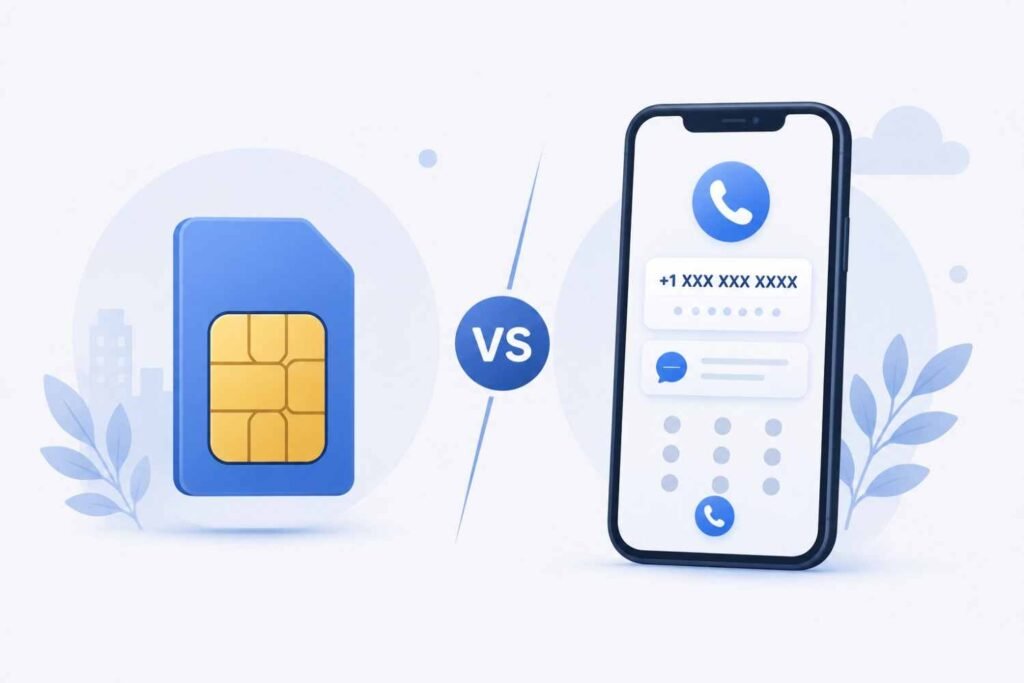
The difference between VoIP vs non-VoIP numbers decides whether a platform accepts your signup. It might even block it outright. VoIP numbers route entirely over the internet. Non-VoIP numbers connect through real carrier infrastructure instead. Because of this, verification systems treat the two number types very differently. Understanding why can save you a failed signup down the line, especially on platforms known for strict fraud checks.
What Actually Separates VoIP from Non-VoIP
A VoIP number runs through apps like Google Voice or Skype. It’s fast to set up. It’s often free too, since no physical hardware or carrier contract is involved. A non-VoIP number, on the other hand, ties to a physical SIM or a standard mobile carrier network. Producing one in bulk costs far more than spinning up a free VoIP number. That cost difference matters a lot. It changes how trustworthy each number looks to a fraud-detection system, since anything cheap to mass-produce tends to get treated with more suspicion.
Why This Matters for Verification
VoIP numbers are easy to mass-produce. As a result, fraud-detection systems flag them constantly. Banks, ride-share apps, and dating platforms often reject VoIP numbers during signup. Some platforms block them entirely, with no workaround offered. Non-VoIP numbers pass these checks far more consistently. They require a real, harder-to-fake carrier relationship to obtain in the first place. This single factor explains most of the rejection messages people run into when a number simply “doesn’t work.”
Quick Comparison
|
Factor |
VoIP |
Non-VoIP |
|---|---|---|
|
Setup speed |
Instant, often free |
Requires carrier provisioning |
|
Platform acceptance |
Frequently rejected |
Generally accepted |
|
Cost to produce in bulk |
Very low |
Significantly higher |
|
Best for |
Casual apps |
Strict verification needs |
Choosing Between the Two
For casual signups, a VoIP number works fine. There’s no reason to pay extra for something low-stakes, like a forum account or a one-time survey site. For anything with strict fraud checks, non-VoIP is the safer bet. Our guide on how businesses use SMS verification explains why these fraud filters exist in the first place. Our post on temporary vs long-term numbers covers a related decision worth knowing too, since number type and number lifespan often get chosen together as part of the same decision.
The Bottom Line
This choice ultimately comes down to what you’re verifying. It also depends on how strict that specific platform happens to be. According to NIST’s authentication guidelines, phone-based verification carries different risk levels depending on the network connection type behind the number. That’s exactly why this distinction exists, and why it isn’t going away anytime soon. Knowing the difference upfront saves time, money, and a frustrating failed verification attempt later.
FAQs
Do all platforms reject VoIP numbers? No. Acceptance varies widely by platform, and many have no restrictions at all.
Is non-VoIP always more expensive? Generally yes, since it requires real carrier infrastructure rather than free app-based routing.
Can I check a number’s type before using it? Not always visually. Platforms typically run backend lookups to determine this automatically.
Does number type affect delivery speed too? Sometimes. Non-VoIP numbers often deliver codes more predictably, since they rely on standard carrier routing.