Most people use the same password across several accounts, sometimes with small variations, sometimes not at all. It’s convenient, but it’s also exactly why data breaches spread so easily from one compromised account to several others. OTPs solve a different problem than passwords do, and understanding the distinction explains why so many services now require both.
The Core Weakness of Static Passwords
A static password stays the same until you manually change it. That consistency is what makes it useful for you to remember, but it’s also what makes it valuable to steal. Once someone obtains your password, whether through a data breach, phishing, or a leaked database, they can use it repeatedly until you notice and change it.
This weakness gets worse through password reuse. If you use the same password on multiple sites, a breach on one unrelated service can expose your login on completely different accounts, a technique attackers call credential stuffing.
How OTPs Close This Gap
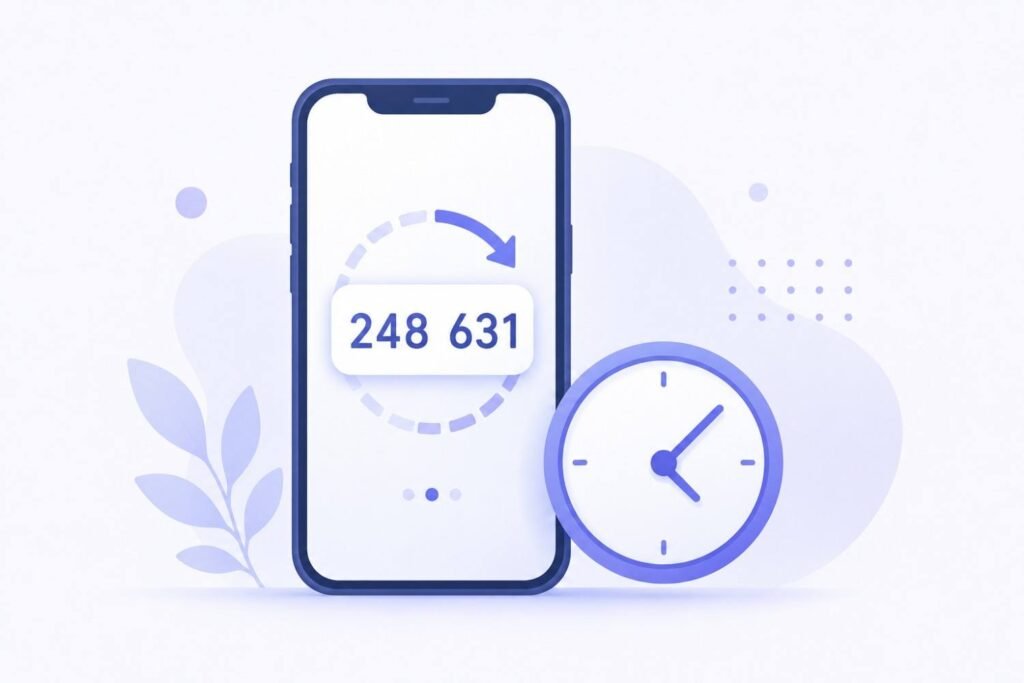
A one-time password solves the reuse problem directly, since it changes every time. Even if someone intercepts or steals a specific OTP, that exact code becomes useless within minutes, or immediately after you use it once. There’s nothing to “reuse” the way there is with a static password.
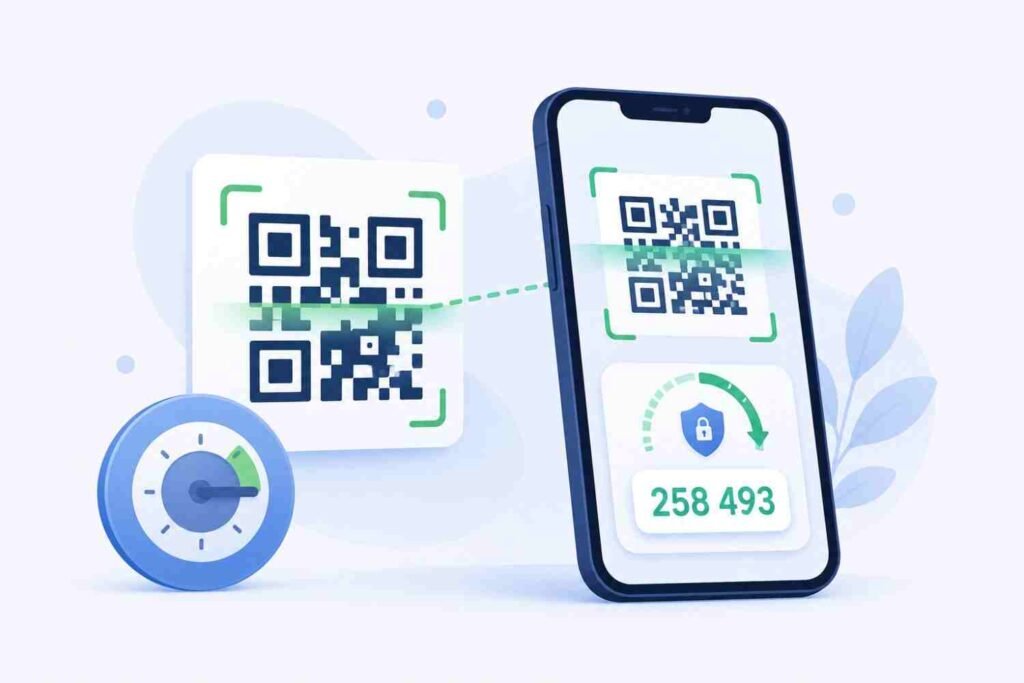
This is why OTPs typically work as a second layer rather than a replacement for passwords entirely. Your password proves you know something (the password itself). Your OTP proves you have something (your phone or authenticator app). Combining both raises the bar significantly compared to relying on a password alone.
Why This Combination Works Better Than Either Alone
- A stolen password without an OTP still blocks access. Even with your correct password, an attacker without your phone or authenticator app can’t complete login.
- A stolen OTP without a password is equally useless. OTPs work as a secondary check, not a full replacement, so possessing one alone doesn’t grant access.
- The two factors fail independently. A weakness in one (a leaked password) doesn’t automatically compromise the other (your OTP-generating device), which is the entire point of layered security.
The Cybersecurity and Infrastructure Security Agency (CISA) specifically recommends this kind of layered, multi-factor approach as one of the most effective ways individuals can protect their accounts against common attack methods.
Where OTPs Still Have Limitations
OTPs aren’t flawless. SMS-delivered OTPs remain vulnerable to SIM-swapping attacks, and phishing pages can trick users into typing a valid OTP into a fake login form in real time. App-based OTPs (TOTP) close some of these gaps but don’t eliminate phishing risk entirely, since a convincing fake page can still capture a code the moment you type it.
Still, even with these limitations, OTPs meaningfully raise the difficulty of unauthorized access compared to a password sitting alone.
The Bottom Line
Static passwords and OTPs solve different problems. Passwords confirm something you know, while OTPs confirm something you currently have, and change too quickly to reuse. Together, they close gaps that either one leaves open alone. For more on how OTPs get generated in the first place, check our post on what an OTP is and how it’s created.
Frequently Asked Questions
Can I use an OTP instead of a password entirely?
Some services support passwordless login using OTPs alone, but most platforms still use OTPs as a second layer alongside a password rather than a full replacement.
Does having an OTP mean my account is completely safe?
No single measure guarantees complete safety. OTPs significantly reduce common attack risks, but sophisticated phishing or SIM-swapping attacks can still succeed in specific circumstances.
Why do some sites still allow login with just a password, no OTP?
Not every platform requires OTP-based verification, often due to lower perceived risk for that specific service, or because the feature simply isn’t implemented yet.
Is it worth using OTPs even if my password is already strong?
Yes. A strong password protects against guessing attacks, but it doesn’t protect against a breach exposing that exact password. OTPs add protection that a strong password alone can’t provide.